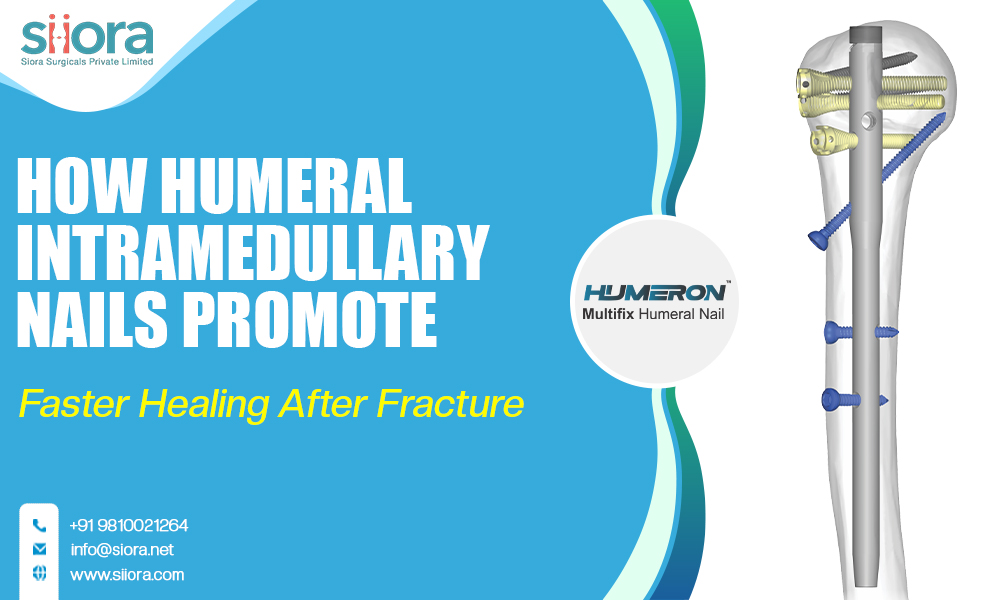
Humeral intramedullary nails have changed the game for arm fractures, sliding right into the bone’s core to lock things steady and kickstart healing fast. Whether from a motorcycle crash, nasty fall, or osteoporosis snap, these nails let folks ditch slings sooner and swing their arms without that nagging worry of re-breaking. Surgeons swear by them for good reason—they mimic the bone’s natural setup, cutting recovery time while dodging the pitfalls of bulkier fixes.
Locking in Stability Early On
Think of the humerus as your upper arm’s workhorse; when it cracks, especially in the shaft or near the shoulder, things wobble bad. The nail goes in antegrade—through a tiny knee-side portal—hugging the marrow canal like it was made for it. Screws up top and down low interlock it tight, sharing weight loads so the fracture ends press just right for callus to form quick, often in 10-14 weeks. No more casts squeezing muscles or plates stripping blood supply; this setup breathes life into healing from day one.
Blood Flow and Biology Boost
Here’s the magic: nails sidestep the big incisions that kill off periosteal vessels, keeping the fracture hematoma intact—that gooey mix jumpstarts new bone growth. Micromotion at the site? It’s a feature, not a bug, sparking secondary healing waves while relative stability prevents over-stressing ends. In osteoporotic cases, where plates flop, nails flex with the bone, slashing stress shielding that weakens surrounds long-term. Patients hit good ROM in shoulders and elbows faster, dodging frozen joints.
Surgery That’s Quick and Clean
Ops wrap in under an hour for most, with minimal blood loss since muscles barely get touched. Fluoroscopy guides it home precisely, reducing alignment slips under 5 degrees. Post-op, early mobilization rules—no rigid lockdown means pendulum swings and light therapy from week one, cutting stiffness risks that plague 20% of plate patients. Complication rates? Super low, like 5-12%, mostly minor shoulder gripes that fade with physio.
Speedy Return to Real Life
Studies clock union rates at 95%+, with DASH scores soaring by six months—folks gripping tools, hugging kids, or revving bikes again. Kids heal lightning, adults reclaim jobs in 8-12 weeks. Even comminuted messes or proximal fractures with shaky calcar hold firm, no varus collapse if nailed right. Compared to conservatives, non-unions plummet, infections stay rare, and rehab shrinks hospital bits.
Handling the Tricky Bits
Proximal humeri love these too, especially multi-part ones; nails restore neck-shaft angles spot-on, even with smashed calcar, beating locking plates in varus-prone elders. Antegrade entry skips rotator cuff tears half the time with medial portals, though some grumble about impingement—simple tweaks fix that. Retrograde? Rare for humerus, but handy for distal shafts. Overall, fewer revisions mean less pain, cost, and scars.
Why Faster Than Plates or Wires?
Plates demand wide exposure, hiking infection odds and slowing unions with rigid vibes. Wires poke and pull. Nails? Load-sharing champs that let you bear weight day three, fueling biology without drama. Long-term, no refracture spike post-removal, and excellent function in 92%—that’s life back, not just mending.
Humeral intramedullary nails aren’t just a piece of trauma implants; they’re healing accelerators, blending smart design with body smarts. From ER to everyday, they turn fractures into quick comebacks, letting arms do what they’re built for. Smart pick for anyone chasing real recovery.
 Site Title