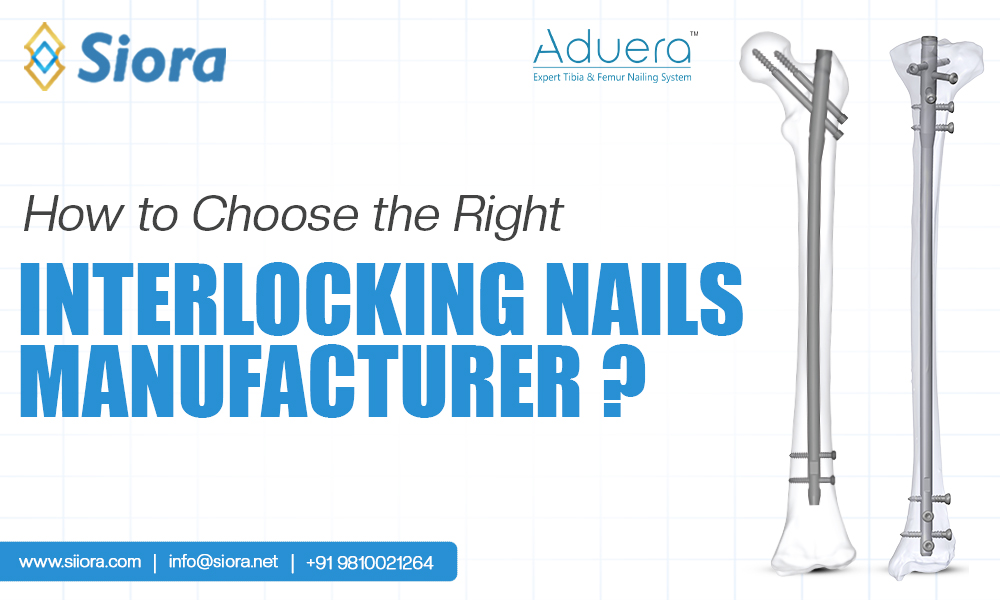
When it comes to orthopedic implants, the quality of the product is only as good as the company behind it. Whether you are sourcing trauma implants for a hospital, clinic, or distribution business, choosing the right interlocking nails manufacturer is an important decision. A well-made implant can contribute to reliable fixation and patient recovery, while poor manufacturing standards may lead to unnecessary complications.
Many buyers focus only on pricing, but experienced professionals know that factors such as quality control, certifications, and technical support deserve equal attention. The goal is to find a manufacturer that delivers consistency, not just products.
Check Manufacturing Standards and Certifications
One of the first things to evaluate is whether the manufacturer follows recognized quality standards. Certifications such as ISO 13485 and compliance with applicable regulatory requirements indicate that the company operates under a structured quality management system.
A manufacturer that invests in quality assurance usually maintains strict controls throughout the production process, from raw material selection to final inspection. This helps ensure that every implant meets the required specifications.
Evaluate the Materials Used
The performance of interlocking nails depends heavily on the materials used during manufacturing. High-quality titanium and stainless steel are commonly preferred because of their strength, corrosion resistance, and biocompatibility.
Before making a purchasing decision, it is worth asking about material grades, testing procedures, and traceability. Reputable manufacturers are generally transparent about the materials they use and the standards they follow.
Look at Product Range and Design Options
Different fracture patterns require different implant solutions. A manufacturer with a broad product portfolio can better support surgeons and healthcare facilities with varying clinical needs.
For example, some facilities may require tibial and femoral interlocking nails, while others may also need specialized implants for upper-limb procedures. A company offering multiple design options often reflects greater manufacturing experience and technical expertise.
Assess Manufacturing Experience
Experience often speaks louder than marketing claims. Manufacturers that have spent years serving orthopedic markets usually have a better understanding of surgeon requirements and industry expectations.
Take time to review the company’s background, production capabilities, and market presence. Long-term experience often translates into improved product quality, better customer service, and dependable supply chains.
Consider Supply Reliability
Even the best implant is of little value if it is not available when needed. Reliable delivery schedules and efficient inventory management are essential, especially for hospitals and distributors handling urgent cases.
Ask potential manufacturers about production capacity, lead times, and export capabilities. Consistent supply can prevent unnecessary delays and help maintain smooth clinical operations.
Customer Support Makes a Difference
Good manufacturers do more than sell implants. They provide technical guidance, product documentation, and responsive customer support whenever required.
Whether it is assistance with product selection or handling documentation requests, strong support can make the entire procurement process easier and more efficient.
Final Thoughts
Selecting the right interlocking nails manufacturer requires careful evaluation beyond price alone. Quality standards, certified manufacturing processes, material selection, product range, and dependable support all play important roles. A trusted manufacturer can become a long-term partner in delivering safe and effective orthopedic solutions. Whether sourcing standard trauma implants or specialized products such as an expert nail or humeral nail, choosing a company with proven expertise can help ensure confidence in every procedure.

